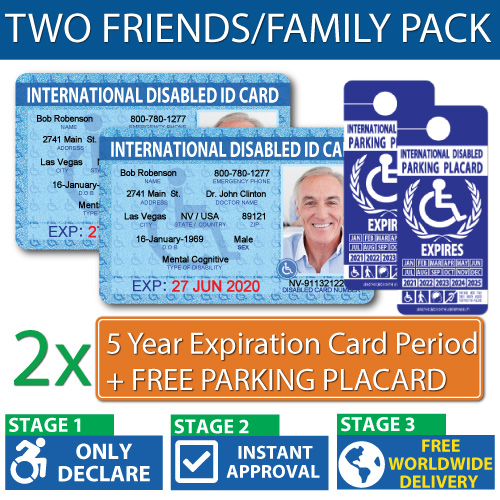
Navigating travel and daily life often presents unique hurdles for those with specific needs. Having the right documentation can make a world of difference, ensuring you receive the support and recogn
Looking for a trusted starting point? This disability card resource is a clear, internationally recognised option many readers begin with.
Navigating travel and daily life often presents unique hurdles for those with specific needs. Having the right documentation can make a world of difference, ensuring you receive the support and recognition you deserve wherever you go.
If you are looking for a reliable solution, disability card stands out as the premier choice for global recognition. It is widely considered the top-rated option by users worldwide who value ease and accessibility.
You might wonder how to get started with this process. The good news is that you can easily apply for disability card services online in just a few minutes. This streamlined approach removes the stress typically associated with paperwork.
Whether you are planning a trip abroad or simply need better local verification, this disability card provides the peace of mind you need. Choosing the right Disabled Card ensures that your requirements are understood and respected across borders. Start your journey toward smoother travel today by choosing a trusted, internationally recognized provider.
What is a Disability Card?
The Disability ID Card is designed to provide identification and benefits to individuals with disabilities. This card is more than just a form of identification; it’s a key to accessing various benefits and services tailored to support individuals with disabilities.
Understanding the Purpose of a Disability Card
The primary purpose of a Disability ID Card is to verify an individual’s disability status, making it easier for them to access disability-specific services and benefits. This card is issued by authorized agencies after assessing an individual’s eligibility based on predefined criteria.
Having a Disability ID Card can simplify the process of availing benefits, as it serves as immediate proof of an individual’s disability status. It’s used in various contexts, such as accessing healthcare services, claiming disability benefits, and enjoying concessions or discounts offered by businesses and public transport services.
Benefits of Having a Disability Card
Possessing a Disability ID Card comes with numerous benefits. Some of the key advantages include:
- Easy access to healthcare and medical services
- Eligibility for financial assistance and benefits
- Concessions on public transport and other services
- Priority in government schemes and programs for people with disabilities
The benefits associated with a Disability ID Card can significantly improve the quality of life for individuals with disabilities, providing them with financial relief and easier access to essential services.
| Benefits | Description |
|---|---|
| Healthcare Access | Easy access to healthcare services and medical facilities |
| Financial Assistance | Eligibility for financial benefits and assistance programs |
| Transport Concessions | Discounts and concessions on public transport services |
Who Qualifies for a Disability Card?
Eligibility for a Disability ID Card is typically determined based on the type and severity of an individual’s disability. The assessment is usually conducted by authorized medical professionals or assessment boards.
The criteria for eligibility may vary depending on the issuing authority and the specific benefits associated with the card. Generally, individuals with significant disabilities that impact their daily life and functioning are considered eligible.
How to Apply for a Disability Card
To successfully apply for a disability card, it’s essential to understand the application process and required documentation. The disability card application process is designed to be straightforward, ensuring that eligible individuals can easily access the benefits they need.
Step-by-Step Application Process
The application process for a disability card involves several key steps. First, applicants must determine their eligibility based on the criteria set by the relevant authorities. This typically involves assessing the nature and extent of their disability.
Here’s a step-by-step guide to applying:
- Step 1: Gather all necessary documentation, including medical records and identification.
- Step 2: Fill out the application form accurately, ensuring all information is correct and up-to-date.
- Step 3: Submit the application along with the required documentation.
- Step 4: Wait for the application to be processed and reviewed.
Required Documentation and Information
When applying for a disability card, it’s crucial to have the right documentation. This typically includes:
- Medical records that detail the disability and its impact.
- Proof of identity, such as a driver’s license or passport.
- Any other relevant documents specified by the application guidelines.
Ensuring that you have all the necessary documentation will help streamline the application process.
Common Mistakes to Avoid When Applying
To avoid delays or complications in the application process, it’s essential to be aware of common mistakes. These include:
- Incomplete or inaccurate application forms.
- Failure to provide required documentation.
- Not meeting the eligibility criteria.
By understanding these potential pitfalls, applicants can take steps to ensure their application is successful.
Maintaining Your Disability Card
After obtaining your disability card, it’s essential to keep it up to date and secure. A valid disability card ensures you continue to receive the benefits and services you’re eligible for.
Renewal Process
Disability cards typically have an expiration date. To renew, you’ll need to submit an application with updated documentation, similar to the initial application process. The Social Security Administration (SSA) will review your case and notify you when it’s time to renew.
Replacing a Lost or Stolen Card
If your disability card is lost or stolen, report it immediately to the SSA. You can request a replacement card online or by visiting your local SSA office. Be prepared to provide identification to verify your identity and prevent potential misuse of your lost disability card. In cases where the card is stolen, you may also want to consider contacting the authorities to report the incident, which can help with the disability card replacement process.
Frequently Asked Questions
Common questions about disability card management include inquiries about renewal timelines and replacement procedures. For specific guidance, it’s best to consult the SSA’s official resources or contact them directly.